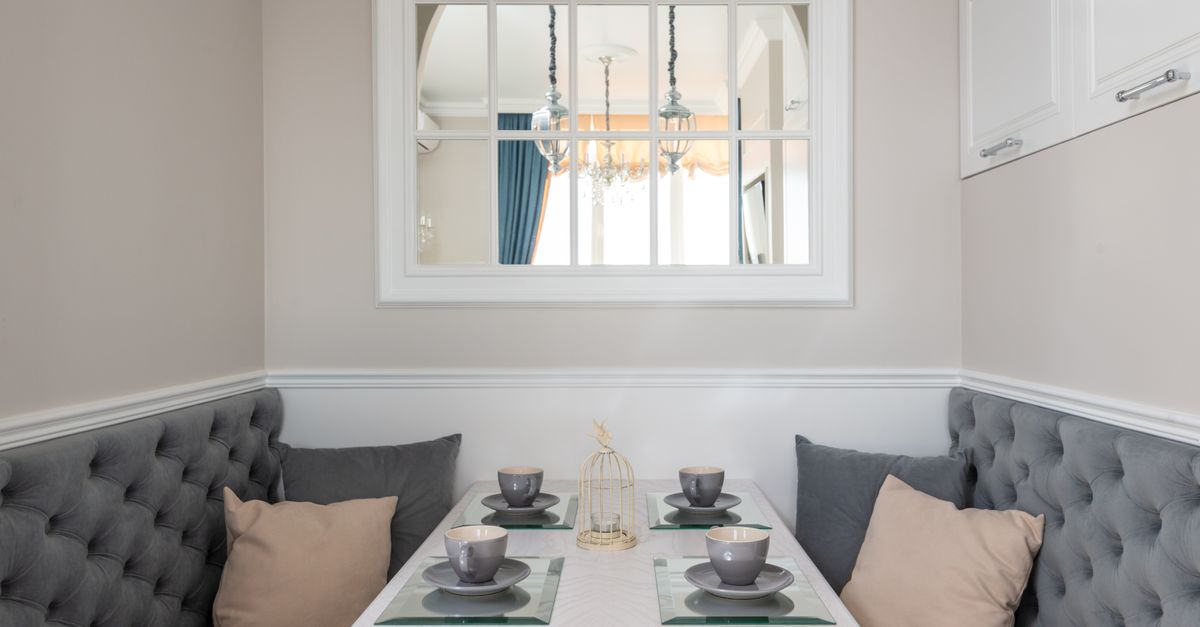
For years, my kitchen nook was a sad, underutilized space. It had a small, wobbly table, two mismatched chairs, and a blank wall that just screamed potential. I tried everything: a store-bought bench, a tiny bookshelf, even just leaving it empty. Nothing worked. It always felt disconnected, offered zero storage, and frankly, was an eyesore. I’d scroll through Instagram, admiring those perfectly integrated, cozy kitchen nooks with built-in banquettes and clever storage, and think, “That’s just not for me. Too expensive, too complicated.” But the truth is, a custom built-in nook isn’t just about aesthetics; it’s about reclaiming valuable space, adding meaningful storage, and creating a truly functional, beautiful hub in your home. The mistake I see most often is people settling for piecemeal solutions when a cohesive, custom approach could solve multiple problems at once. What changed everything for me was realizing that the initial investment in a well-designed built-in delivers a return far beyond just dollars – it provides daily joy, efficiency, and a significant boost to your home’s character.
Key Takeaways
- Custom built-ins provide unparalleled storage and seating, transforming underutilized kitchen nooks into highly functional spaces.
- The long-term value in durability, seamless integration, and increased home appeal often outweighs the initial higher cost compared to pre-fabricated alternatives.
- Strategic design focusing on integrated drawers, lift-top benches, and vertical shelving maximizes storage potential without sacrificing aesthetic appeal.
- Thoughtful material selection, from durable paint finishes to stain-resistant fabrics, ensures your built-ins withstand daily wear and tear in a high-traffic area.
The Unseen Value: Why Pre-Fab Solutions Fall Short in Your Kitchen Nook
I’ve been there, staring at the endless options of flat-pack benches and dining sets, thinking I could save a few hundred dollars by going the off-the-shelf route. And for a simple dining table, that might be fine. But for a kitchen nook, especially one that you want to feel integrated and custom, pre-fabricated solutions almost always fall short. The primary issue is the lack of fit. Your kitchen nook isn’t a generic 5x7 foot rectangle; it has specific wall lengths, often an awkward corner, and perhaps a window sill or a radiator to contend with. A store-bought bench will inevitably leave gaps, either too short, too long, or too shallow. These gaps are not just visually disruptive; they’re wasted space that could be providing valuable storage. In my own experience, a pre-fab bench I tried left a 6-inch gap along one wall, which became a magnet for dust and crumbs, and offered absolutely no usable storage. It also felt flimsy and out of place, never truly part of the room. Custom built-ins, on the other hand, are designed to fit your space precisely, maximizing every square inch. This means seamless lines, no awkward gaps, and the ability to design around architectural quirks. The initial sticker shock might be higher, but the frustration saved and the functional gains are immeasurable. You’re not just buying furniture; you’re investing in a permanent, integrated architectural feature that elevates your home.
Maximizing Storage You Didn’t Know You Had: Beyond the Bench Seat
When most people think of built-in kitchen nook storage, they immediately picture a lift-top bench seat. And while those are fantastic, they’re just the tip of the iceberg. The real power of custom built-ins lies in their ability to integrate a variety of storage solutions tailored to your specific needs. For my own kitchen nook, which sits adjacent to the main cooking area, I desperately needed a place for entertaining essentials, kids’ art supplies, and even a few cookbooks. A simple lift-top bench wouldn’t cut it. What I did was design a banquette that incorporated three deep, soft-close drawers beneath one side of the seating, perfect for placemats, napkins, and my lesser-used serving dishes. On the other side, the lift-top bench provides ample space for bulkier items like seasonal decor and even a small vacuum. But the real game-changer was incorporating a shallow, floor-to-ceiling cabinet at one end, designed to look like part of the banquette, but housing an impressive amount of vertical storage. This cabinet, only 10 inches deep, became the perfect home for my spice collection, extra oils and vinegars, and even a small charging station for devices. The key is to think vertically and creatively: can you add open shelving above the banquette for display? Could a corner section house a pull-out pantry? Don’t limit your vision to just under-seat storage; explore every dimension your nook offers.
Designing for Durability and Daily Life: Materials That Matter
A kitchen nook is a high-traffic zone. It’s where breakfast is eaten, homework is done, coffee is spilled, and families gather. This isn’t the place for delicate fabrics or easily scratched surfaces. The materials you choose for your custom built-ins are paramount to their longevity and ease of maintenance. In my home, with two young children and a penchant for hosting, durability was non-negotiable. For the banquette frame and cabinetry, I opted for solid wood construction and a high-quality, washable paint finish (specifically, a satin enamel that stands up incredibly well to scrubbing). The countertops, if you choose to extend them, should ideally match your existing kitchen counters for a cohesive look, or at least be a similarly durable material like quartz or a solid surface. For the banquette cushions, this is where many people make a mistake. While a pretty linen might look lovely initially, it will quickly show every stain. I invested in a performance fabric – specifically, an outdoor-rated Sunbrella fabric designed for easy cleaning and fade resistance. It looks incredibly stylish but can withstand spilled juice, art projects, and even muddy paws. Consider also the hardware: soft-close drawer slides and sturdy hinges will prevent slamming and ensure your built-ins feel high-end for years to come. Thinking through these details upfront will save you countless headaches and repair costs down the line.
The Art of Seamless Integration: Making Your Nook Feel ‘Always There’
The true magic of custom built-ins lies in their ability to look like they’ve always been part of your home, not an addition. This seamless integration is what elevates a simple seating area into an architectural feature. The biggest factor here is matching existing finishes and trim work. If your kitchen has specific crown molding or baseboards, try to replicate those details on your built-ins. For my nook, I chose to paint the entire banquette and cabinetry the same color as my kitchen island, tying the two spaces together visually. The counter on the shallow cabinet matched my kitchen counters, further blurring the lines between the two areas. Don’t be afraid to extend details like shiplap or beadboard if they exist elsewhere in your kitchen; this continuity creates a sense of purpose and permanence. Another trick is to choose a timeless design. While trendy colors or overly ornate details might seem appealing now, a classic, clean-lined design will ensure your built-in remains stylish for decades. Think about the flow of the room: does the banquette extend naturally from a wall? Is it symmetrical? Good design ensures the built-in doesn’t feel like a bulky afterthought but rather an organic extension of your home’s architecture.
The Investment and the Payoff: What to Expect and How to Budget
Let’s be upfront: custom built-ins are an investment. They are typically more expensive than buying ready-made furniture, but the difference in quality, fit, and functionality is immense. For a well-designed kitchen nook banquette with integrated storage and a small cabinet, you could expect to pay anywhere from $3,000 to $8,000 or more, depending on the materials, finishes, and complexity of the design. This figure usually includes design, fabrication, and installation. It’s crucial to get multiple quotes from reputable local carpenters or custom cabinet makers. Be clear about your vision, provide sketches or inspiration photos, and discuss your storage needs in detail. Don’t forget to budget for upholstery if you’re adding cushions, which can add another $500 to $1,500 depending on the fabric and number of cushions. While this might seem like a significant outlay, consider the long-term payoff. You’re gaining significant storage space, adding functional seating, increasing your home’s perceived value, and creating a truly unique, custom feature that will withstand daily use. Unlike mass-produced furniture that might need replacing in 5-10 years, a well-built custom banquette can last for decades, becoming a cherished part of your home and improving your daily life in tangible ways.
Frequently Asked Questions
How long does it take to have custom built-ins installed?
The timeline can vary significantly depending on the complexity of the design and the carpenter’s schedule. Typically, from initial design consultation to final installation, you can expect a process of 4-8 weeks. The fabrication in the workshop usually takes the longest, with on-site installation often completed within 1-3 days.
Can I DIY custom built-ins to save money?
While advanced DIYers with significant woodworking experience can certainly tackle some built-in projects, it’s a challenging endeavor, especially for complex designs. Precision in measurements, cuts, and finishing is critical for a professional look. If you’re considering DIY, start with simpler elements like a basic bench frame and consider hiring out for more intricate cabinetry or detailed trim work. The most common mistake I see in DIY built-ins is imprecise cuts leading to visible gaps and an unprofessional finish.
What type of wood is best for kitchen nook built-ins?
Maple, birch, and poplar are excellent choices for painted built-ins due to their smooth grain and durability. For a stained finish, oak or cherry can be beautiful but are generally more expensive. MDF (medium-density fiberboard) can also be used for certain components, especially if painting, but I recommend reserving it for non-structural parts due to its susceptibility to moisture damage in high-traffic areas like kitchens.
How do I choose the right cushion fabric for a kitchen nook?
Opt for durable, easy-to-clean fabrics specifically designed for high-traffic areas or outdoor use. Performance fabrics like Sunbrella, Crypton, or Revolution are excellent choices as they are often stain-resistant, water-repellent, and fade-resistant. Look for fabrics with a high double-rub count (indicating durability) and ensure they are washable or easily spot-cleaned.
Will custom built-ins increase my home’s value?
Well-designed, functional custom built-ins can absolutely increase your home’s value and appeal to potential buyers. They add unique architectural character, provide essential storage, and create a sophisticated, tailored look. Unlike movable furniture, built-ins are seen as a permanent upgrade, often comparable to custom cabinetry in kitchens or bathrooms.
Transforming my kitchen nook with custom built-ins was one of the best home improvement decisions I’ve made. It took that awkward, underutilized corner and turned it into the heart of our home – a functional, beautiful space where we gather, eat, and create memories. It wasn’t just about adding seating; it was about adding purpose and beauty that truly reflects how we live. Don’t settle for a space that just is; make it work for you. Start by identifying your biggest pain points in your current nook – is it storage, comfort, or aesthetics? Then, begin sketching out ideas, gathering inspiration, and talking to local craftspeople. The result will be a space that feels uniquely yours and serves your family for years to come.