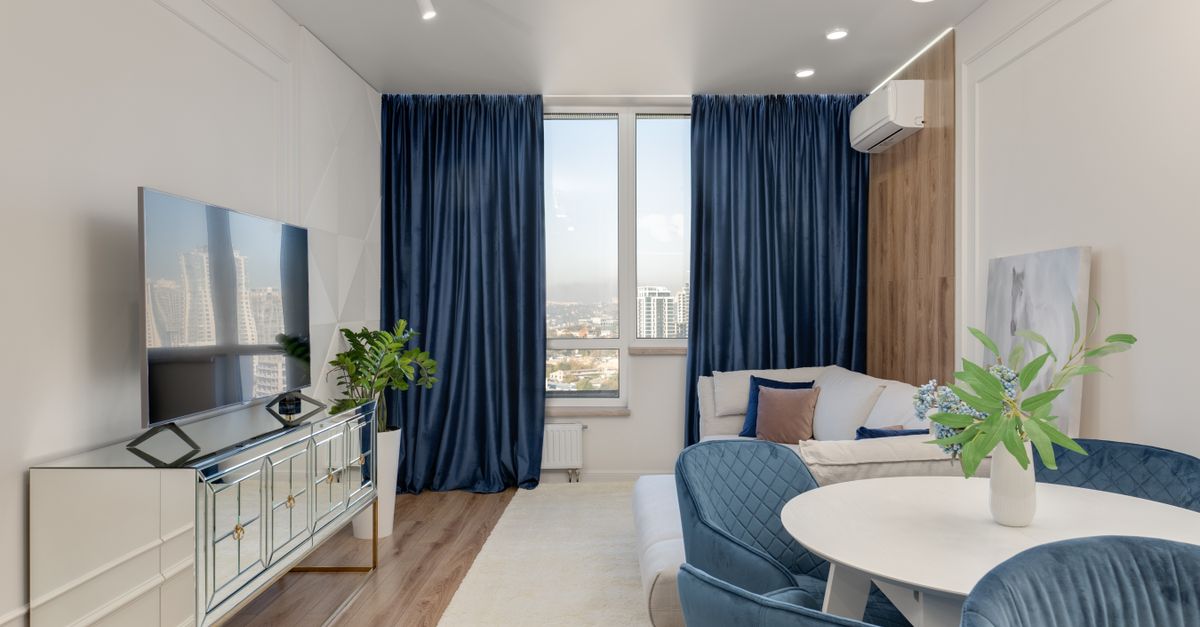
You’ve rearranged your sofa a dozen times, tried the ‘light paint’ trick, and even invested in those minimalist shelves everyone raves about. Yet, every time you walk into your small living room, it still feels… well, small. It’s frustrating, isn’t it? You see all the advice online about decluttering and using mirrors, but somehow, your space just isn’t transforming into the airy, open haven you envisioned. It feels less like a cozy retreat and more like a beautifully organized shoebox. I know that feeling all too well. I’ve spent countless hours in clients’ homes, and in my own early apartments, trying to crack the code of making a tight space breathe.
The truth is, many of the commonly prescribed solutions for small living rooms miss the mark because they address symptoms, not the underlying spatial perception issues. Simply moving furniture or painting a wall isn’t enough to trick the eye into seeing more square footage. It requires a more strategic approach, one that understands how light, line, proportion, and even negative space influence our perception of size. What changed everything for me was realizing that it’s not about how much you fit into a room, but how intelligently you structure what’s there, and more importantly, what’s not there.
Key Takeaways
- Resist the urge to push all furniture against walls; floating pieces create crucial negative space and define zones.
- Strategically use larger, fewer pieces of furniture instead of many small ones to prevent visual clutter and create a sense of scale.
- Maximize vertical space with tall, narrow elements and wall-mounted solutions to draw the eye upward and free up floor area.
- Embrace dark, moody colors on a single wall to add depth and create an illusion of greater distance, defying common ‘light and bright’ advice.
The Counter-Intuitive Power of Floating Furniture (And Why Pushing Against Walls Shrinks Your Space)
The most common mistake I see in small living rooms is the instinct to push every piece of furniture against the walls. The logic seems sound: get everything out of the way, maximize the center of the room, and surely, it will feel bigger. In my experience, this strategy almost always backfires, making the room feel more like a doctor’s waiting room than a cozy living space. When furniture is glued to the perimeter, you create a large, empty void in the middle that actually emphasizes the confined boundaries of the room. Your eye has nowhere to rest other than the edge of the walls, highlighting how close everything is.
What actually works is quite the opposite: floating your furniture. Even in a tiny space, pulling your sofa even six inches off the wall, or positioning an armchair slightly away from a corner, can create a powerful illusion. This seemingly small act achieves several things. First, it creates crucial negative space behind the furniture, allowing the eye to ‘breathe’ and perceive depth. Second, it allows you to define functional zones within the room, even if those zones are just a reading nook or a conversation area. For instance, in a 10x12 foot living room, I once pulled a compact two-seater sofa about a foot off the main wall and placed a slim console table behind it. This not only created a small pathway behind the sofa but also allowed for a lamp, adding ambient light that further blurred the physical wall boundary. Suddenly, the room felt less like a box and more like a curated space with intentional flow. The key is to select pieces with slender profiles and exposed legs to maintain an airy feel, rather than blocky pieces that look heavy.
Why Bigger Furniture Can Actually Make Your Room Feel Larger (And How Too Many Small Pieces Create Chaos)
This might sound completely counter-intuitive, but packing a small living room with many small, ‘space-saving’ pieces is often a recipe for visual clutter and a cramped feeling. Think about it: a collection of petite armchairs, a small coffee table, and several accent tables create a choppy visual landscape. Your eye bounces from one object to the next, never settling, and the overall effect is one of busyness and constriction. Each item, no matter how small, demands attention and takes up perceived visual weight.
What I’ve found to be far more effective is to invest in fewer, but larger and more substantial pieces of furniture. A single, well-proportioned sofa (perhaps a tight-back design with clean lines) paired with one substantial armchair, for example, creates a sense of gravitas and calm. When you have fewer items, even if they are larger, the eye has fewer distinct objects to process. This allows the brain to perceive more ‘unfilled’ space, even if the actual square footage occupied is similar. For example, in a client’s 9x11 living room, replacing a jumble of small, mismatched side tables and a love seat with a sleek, full-sized three-seater sofa and a single, elegant pedestal coffee table dramatically transformed the space. The room gained a sense of scale and maturity it lacked before. The trick is to ensure these larger pieces have an open feel – think exposed legs, not skirts, and streamlined silhouettes rather than overstuffed designs.
Maximizing Vertical Space: The Unsung Hero of Small Room Design
When we think about making a room feel bigger, our gaze often remains fixed on the horizontal plane – the floor and wall space. However, ignoring the vertical dimension is a huge missed opportunity in small living rooms. If you’re not drawing the eye upward, you’re essentially capping off the room at eye level, reinforcing its small footprint.
The solution lies in consciously incorporating elements that emphasize height. Tall, narrow bookcases that reach almost to the ceiling, floor-to-ceiling curtains (hung high and wide), or even strategically placed vertical art can dramatically alter spatial perception. I often recommend clients install picture ledges or floating shelves high on the walls, rather than just at eye level, and stack books or decor vertically. A great example of this is a recent project in a compact city apartment. We replaced a low-slung media console with a custom-built unit that went nearly to the ceiling, incorporating closed storage below and open shelving above for books and curated decor. We also hung lightweight linen curtains from ceiling to floor, even though the window was much smaller. The combined effect made the room feel significantly taller and more grand, freeing up precious floor space that would have otherwise been taken by shorter, wider pieces.
The Unexpected Depth of Dark Colors (And Why ‘Light & Bright’ Isn’t Always the Answer)
The prevailing wisdom for small spaces is to paint everything light and bright. White walls, pale grays, soft beiges – the idea is that these colors reflect light and make the room feel open and airy. While this can work in certain scenarios, it’s not a universal truth, and often, it merely highlights the smallness of the room by removing any sense of depth or mystery. A uniformly light room can feel like a blank box, with its boundaries painfully clear.
Here’s a trick I love, especially for creating an illusion of depth: embrace a dark, moody color on a single accent wall. Picture a rich charcoal gray, a deep navy, or even a forest green on the wall furthest from the main entrance. This dark color doesn’t recede in the way light colors do; instead, it creates an impression of infinite depth, almost as if the wall goes on forever. It draws the eye in and makes the room feel longer than it is. The contrast with lighter adjacent walls or trim can be incredibly impactful. For instance, in a 10x15 foot living room, I once painted the entire back wall a deep Prussian blue. Instead of feeling enclosed, the room gained a sophisticated, almost theatrical depth. The other walls were a warm off-white, and the strategic placement of a large, lighter piece of art on the dark wall further amplified the effect. It’s about creating contrast and intrigue, not just brightness.
The Illusion of Space Through Strategic Lighting (Beyond Just Brightening Up)
Most people think of lighting in a small room as simply needing to be ‘bright’ to make the space feel larger. While adequate illumination is important, relying solely on overhead lights can flatten a room and highlight its constraints. A single ceiling fixture casts harsh shadows and doesn’t create any visual interest or depth. It just lights up the box you’re in.
The real magic in small living rooms comes from layering different types of light to create a sense of ambiance and perceived depth. Think of it like painting with light. You want to use a combination of ambient (general), task (focused), and accent (decorative) lighting. For example, instead of one bright overhead light, I recommend a dimmer-controlled flush-mount or semi-flush fixture for general illumination. Then, add a tall floor lamp in a corner to draw the eye upward and provide task lighting for reading. Incorporate a small table lamp on a console or side table to create a warm glow at a lower level. Even strategically placed LED strip lighting behind a bookcase can add subtle depth. The key is to direct light into corners and towards the ceiling to push back boundaries and prevent shadowy areas that make a room feel smaller. In one particularly narrow living room, I installed two identical wall sconces on either side of a large mirror, creating a symmetrical pool of light that bounced off the mirror, visually doubling the perceived space and adding an inviting glow that was far more effective than any single overhead fixture.
The Power of Strategic Transparency and Reflectivity (Beyond Just One Mirror)
The advice to use mirrors in small spaces is ubiquitous, and for good reason—they reflect light and create the illusion of more space. However, simply hanging a mirror anywhere isn’t a silver bullet. The effectiveness lies in its strategic placement and the incorporation of other transparent and reflective elements.
Think about what the mirror reflects. If it’s reflecting a blank wall, its impact is limited. Position a mirror to reflect a window, a piece of art, or another interesting focal point to truly expand the room. A large mirror leaning against a wall can be more impactful than a smaller one hung high. Beyond mirrors, consider furniture made from transparent materials. A glass or acrylic coffee table, for instance, provides a functional surface without visually blocking the floor or creating a heavy presence. Shelving units with open backs or made of thin metal and glass allow light to pass through, keeping the space airy. I once advised a client in a studio apartment to replace their solid wood console table with a minimalist console made of clear acrylic. The result was astonishing; the visual weight in the room dropped significantly, and the floor space beneath the console became ‘visible,’ instantly making the entry area feel less cluttered and more expansive. The cumulative effect of these transparent elements works to reduce visual density, making the room feel lighter and larger overall.
Frequently Asked Questions
Q: Should I use small-patterned or large-patterned rugs in a small living room?
A: Generally, a single large-patterned rug or a solid rug is more effective than multiple small, busy patterns. A larger rug that nearly fills the main seating area helps define the zone and grounds the space, making the room feel more cohesive and expansive. Small, disconnected rugs can chop up the floor and make the room feel cluttered.
Q: Is it better to have many small decor items or a few larger ones in a small space?
A: Opt for a few larger, impactful decor pieces over many small trinkets. A collection of small items often leads to visual clutter and makes a room feel messy and smaller. One well-chosen, larger piece of art or a substantial vase can make a bigger statement and contribute to a more open, curated feel.
Q: Can dark colors truly make a small room feel bigger, or is that just for accent walls?
A: While a dark accent wall can create depth, painting an entire small room a dark, rich color can also work surprisingly well. When all walls are dark, the room’s boundaries recede and become less defined, making the space feel more like an intimate cocoon than a cramped box. This approach works best when combined with ample layered lighting.
Q: How can I create storage in a small living room without making it feel more cluttered?
A: Focus on vertical storage solutions like tall, narrow bookcases or wall-mounted shelving. Opt for multi-functional furniture, such as an ottoman with hidden storage or a sofa with built-in cubbies. Closed storage is often preferable for small spaces, as it hides clutter and maintains clean lines, preventing visual noise.
Q: Should I avoid sectionals in a small living room?
A: Not necessarily! While a massive, overstuffed sectional can overwhelm a small space, a compact, tailored sectional with clean lines and exposed legs can actually be more efficient than a sofa and a separate armchair. It provides maximum seating in a tight footprint and can help define a specific zone, especially when floated slightly off the wall.
Transforming a small living room from cramped to capacious isn’t about magical tricks, but rather a strategic understanding of how we perceive space. It means letting go of outdated ‘rules’ and embracing design principles that prioritize flow, visual breathing room, and intentionality. By floating your furniture, choosing fewer but larger pieces, maximizing vertical height, using dark colors for depth, layering your lighting, and incorporating transparent elements, you can genuinely reshape your small living room into a space that feels far more expansive and inviting than its square footage suggests. Start with one of these ideas this weekend – perhaps pulling your sofa out just a few inches – and observe the immediate shift in how your room feels. You might be surprised at the big impact a small change can make.