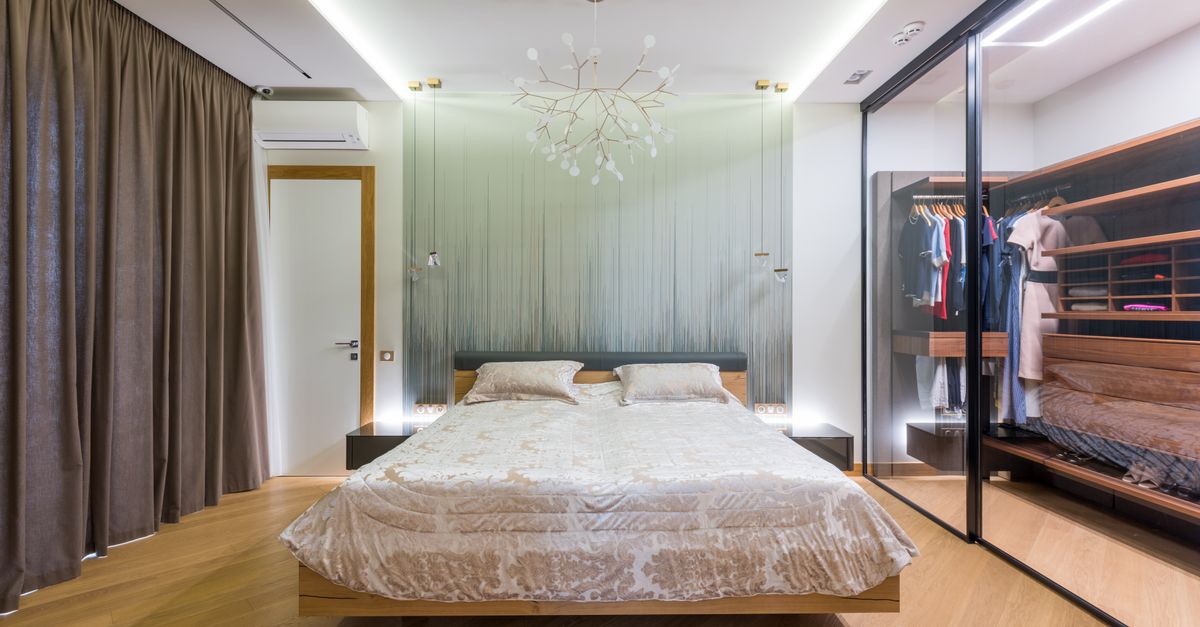
Does your bedroom feel less like a peaceful retreat and more like a functional but uninspired space? You’ve got the bed, the dresser, maybe even some art on the walls, but something just isn’t right. It’s not necessarily cluttered, but it lacks that inviting, fresh feeling that makes you want to linger. I see this all the time – people invest in furniture and accessories, but their bedrooms still fall flat. It’s often not about what you have, but how you’re using it, or more accurately, not using certain elements. The truth is, many common decorating practices inadvertently contribute to a stale, uninviting atmosphere, and nobody really talks about them.
In my experience, the biggest culprits aren’t obvious like clutter or dirt. They’re subtle design missteps, often rooted in trying too hard to be practical or following generic advice that doesn’t account for the unique energy a bedroom needs. We forget that a bedroom isn’t just a place to sleep; it’s a sanctuary, a personal escape. If yours feels more like a hotel room awaiting a new guest, it’s time to rethink the underlying design principles. What changed everything for me was realizing that warmth and invitation come from layers – not just of textiles, but of light, scent, and even perceived air quality. Let’s dive into the specific mistakes that are draining your bedroom’s potential and what actually works to infuse it with the life and comfort you crave.
Key Takeaways
- Over-reliance on overhead lighting creates a harsh, uninviting atmosphere; layer ambient and task lighting for warmth.
- Neglecting natural scents and air quality leaves a room feeling stale; integrate essential oils, diffusers, and air-purifying plants.
- Ignoring varied textures in textiles and decor results in a flat, unengaging space; combine different materials for depth.
- Failing to balance personal touches with a curated aesthetic makes a room feel generic or chaotic; integrate meaningful items intentionally.
Overlooking the Power of Layered Lighting (Beyond the Ceiling Fan Light)
This is perhaps the single biggest mistake I see. Most bedrooms rely almost exclusively on a single overhead light fixture – typically a ceiling fan light. While practical for general illumination, this kind of harsh, downward light is the enemy of coziness. It creates sharp shadows, flattens the room, and screams ‘utility’ rather than ‘relaxation.’ Think about it: when do you ever want bright, direct light blasting down on you in a place of rest? Never. It’s the visual equivalent of someone shouting when you want a whisper.
The solution is layered lighting. You need ambient light, task light, and accent light. Ambient lighting provides general, soft illumination without creating harsh shadows. Think dimmable sconces, a floor lamp with an opaque shade, or even a soft LED strip behind your headboard. For task lighting, bedside lamps are crucial. But here’s the trick: choose lamps with warm-toned bulbs (around 2700K) and shades that diffuse the light softly. I always opt for a 3-way bulb, allowing me to adjust intensity. Finally, accent lighting adds visual interest and highlights features. Picture a small picture light above a piece of art, or a tiny string of fairy lights tucked into a sheer curtain. These layers create depth, allow you to control the mood, and instantly make a room feel more inviting. What changed everything for me was installing dimmers on all my light sources. The ability to precisely tune the brightness for any mood or time of day is a game-changer.
Neglecting the Invisible Scents and Stale Air Traps
Your bedroom might look clean, but how does it smell and feel to breathe in? Many people overlook the subtle yet profound impact of indoor air quality and scent. A room can look pristine, but if it smells musty, stuffy, or just… neutral in a bad way, it immediately feels uninviting. This isn’t just about bad odors; it’s about the absence of good ones and the presence of stale air. Fabrics, carpets, and even mattresses absorb odors over time, creating an unseen culprit for that ‘stale’ feeling.
What actually works is a proactive approach to air freshness and intentional scenting. First, ventilation is non-negotiable. Open your windows for at least 15-30 minutes daily, even in winter, to cycle out old air. Consider a high-quality air purifier, especially if you have allergies or pets; it makes a remarkable difference in perceived air quality. For scent, steer clear of overpowering artificial air fresheners that just mask odors. Instead, invest in an essential oil diffuser with calming blends like lavender, frankincense, or cedarwood. I often put a few drops of eucalyptus on a cotton ball and tuck it behind my nightstand. Another simple trick: bring in a few low-maintenance, air-purifying plants like snake plants or peace lilies. Their subtle presence visually and invisibly enhances the room’s freshness. The mistake I see most often is people thinking a quick spray will solve it; lasting freshness comes from active air exchange and natural sources.
Failing to Embrace Texture and Softness in Textiles
Walk into many bedrooms, and you’ll find a lack of varied textures. Often, it’s a cotton sheet set, a generic duvet cover, and maybe some basic throw pillows. While functional, this uniformity makes a room feel flat, one-dimensional, and frankly, a bit cold. Our hands, just like our eyes, crave stimulation. When a space offers only smooth, uninteresting surfaces, it loses its tactile appeal, and with it, a significant portion of its inviting quality.
To combat this, you need to layer textures generously. Think beyond just your bedding. Start with your bed: linen sheets, a plush velvet duvet, a chunky knit throw, and an array of pillows with different textures – perhaps some faux fur, some embroidered cotton, and some smooth silk. Don’t be afraid to mix and match. Extend this to other areas: a soft sheepskin rug by the bed, velvet curtains, or a woven basket for laundry. Even the most minimal spaces benefit from tactile variety. The contrast between rough and smooth, soft and firm, deep pile and flat weave creates visual and physical interest, beckoning you to touch and relax. In my own home, the moment I swapped out my generic curtains for heavy linen drapes, the room instantly felt more luxurious and enveloping.
The Overlooked Importance of Proper Scale and Negative Space
Many bedrooms suffer from either feeling overcrowded or strangely empty, even when they have all the ‘right’ pieces. This often stems from a misunderstanding of scale and the critical role of negative space. Overly large furniture in a small room makes it feel cramped and oppressive, while tiny furniture in a large room gets lost, leaving vast, awkward empty zones. Both scenarios contribute to an uninviting, disorienting feeling where nothing feels quite right.
What actually works is to choose furniture proportional to your room’s size and intentionally cultivate negative space. For example, in a small bedroom, a platform bed with built-in storage might be a smarter choice than a massive four-poster. Opt for floating shelves instead of a bulky bookshelf. In larger rooms, don’t just push everything against the walls; consider creating zones with a cozy reading chair and floor lamp, or a decorative screen to break up vastness. Crucially, don’t feel the need to fill every corner. Empty space allows the eye to rest, making the room feel more expansive and purposeful. My advice: measure your room, sketch out a floor plan, and measure your furniture before buying. Visualizing the pieces in the space, including the gaps between them, will transform how your room feels. The hidden cost of ignoring scale is a perpetual sense of unease in your own space.
Missing the Mark on Personalization (Either Too Little or Too Much Chaos)
A bedroom should reflect you. But often, I see two extremes: either the room is so generic it could be anyone’s, or it’s so crammed with disparate personal items that it feels chaotic and uncurated. A generic room lacks soul, making it uninviting because there’s no sense of the person who lives there. A chaotic room, on the other hand, can feel overwhelming and stressful, preventing true relaxation. Neither fosters that deep sense of personal sanctuary.
What actually works is curated personalization. This means being intentional about what you display and how. Instead of scattering every cherished trinket, choose a few meaningful pieces – a framed photo, a beloved book, a small souvenir from a trip – and arrange them artfully. Group items with a common theme or color palette. A collection of vintage postcards framed together makes a stronger statement than individual cards stuck randomly. Similarly, a single, striking piece of art above your bed has more impact than a dozen small, unrelated prints. Infuse your personality through colors, textures, and a few well-chosen objects that genuinely resonate with you. In my experience, the ‘aha!’ moment came when I started rotating my decor seasonally or when my tastes evolved. It keeps things fresh without needing a complete overhaul and ensures my space always feels like me, not a museum or a junk drawer.
Ignoring the Psychological Impact of Color and Contrast
Color might seem like an obvious design choice, but its psychological impact and the role of contrast are often deeply misunderstood in bedrooms. A room painted entirely in a single, pale color can feel bland and sterile, lacking depth and energy. Conversely, a room with too many bold, clashing colors or extreme contrasts can feel jarring and stimulating, which is the opposite of what you want in a space meant for rest. Both scenarios contribute to an uninviting atmosphere, albeit for different reasons.
What actually works is a thoughtful balance of color and contrast to create a harmonious, calming environment. I always recommend starting with a soft, soothing base color – think muted greens, calming blues, warm grays, or soft creams. These create a tranquil backdrop. Then, introduce gentle contrast and interest through accent colors. This could be a richer tone on a single accent wall, darker wood tones in furniture, or vibrant splashes in throw pillows, blankets, and art. The key is subtlety; don’t make the eye work too hard. For example, if your walls are a light sage green, consider bedding in a creamy white with deep emerald throw pillows, and dark walnut nightstands. This creates visual layers without overwhelming the senses. The mistake I see most often is people being afraid of any contrast, leading to a monochromatic blandness that sucks the life out of a room. A carefully composed color palette, with just enough contrast, can make all the difference in making your bedroom feel like a warm hug.
Frequently Asked Questions
Q1: My bedroom feels sterile, how can I add warmth without making it look cluttered?
A1: Focus on tactile textures and soft lighting. Add a plush rug, layer your bedding with different materials like a knit throw or velvet pillows, and swap harsh overhead lights for warm-toned lamps with fabric shades. Incorporate natural wood elements and a few sentimental items, but ensure they are thoughtfully arranged and not overly abundant.
Q2: What’s the best way to deal with stale air in a bedroom if I can’t open windows often?
A2: Invest in a good quality air purifier with a HEPA filter, and run it regularly. Consider using an essential oil diffuser with purifying oils like lemon or tea tree, or calming ones like lavender. Plants known for air purification, such as snake plants or peace lilies, can also help improve air quality and add a touch of nature.
Q3: How do I choose the right size furniture for a small bedroom to make it feel more inviting?
A3: Prioritize pieces that are proportionate to the room. Opt for a platform bed without a bulky headboard, use floating shelves instead of large bookcases, and choose nightstands with slender legs or wall-mounted options. Focus on multi-functional pieces like an ottoman with storage, and ensure there’s enough negative space for the room to breathe. Don’t try to fit too many items.
Q4: My bedroom has an awkward layout. How can I make it feel more cohesive and welcoming?
A4: Use furniture arrangement to create zones and define purpose. If the room is long, place your bed on the longest wall and create a small sitting area at the other end. Use rugs to anchor different zones. Consider a decorative screen or a tall plant to break up large, undefined areas. Strategically placed mirrors can also open up the space and reflect light, making it feel larger and more inviting.
Q5: I’m not good at decorating. How can I personalize my bedroom without making it look messy?
A5: Choose a few highly meaningful items rather than many small trinkets. Group similar items together on a tray or a small shelf to create a curated display. Select one or two larger pieces of art that you love rather than many small, disparate ones. Personalize with color through bedding and throws that reflect your taste, rather than trying to incorporate too many patterns or styles.
Transforming your bedroom from stale to sublime is less about grand renovations and more about intelligent, intentional design choices. By layering your lighting, prioritizing air quality, embracing varied textures, respecting scale and negative space, curating your personal touches, and thoughtfully using color, you can create a space that truly feels like a welcoming, rejuvenating sanctuary. Start with one of these areas that resonates most with you, and notice the profound difference it makes in how your bedroom feels. Your retreat awaits.