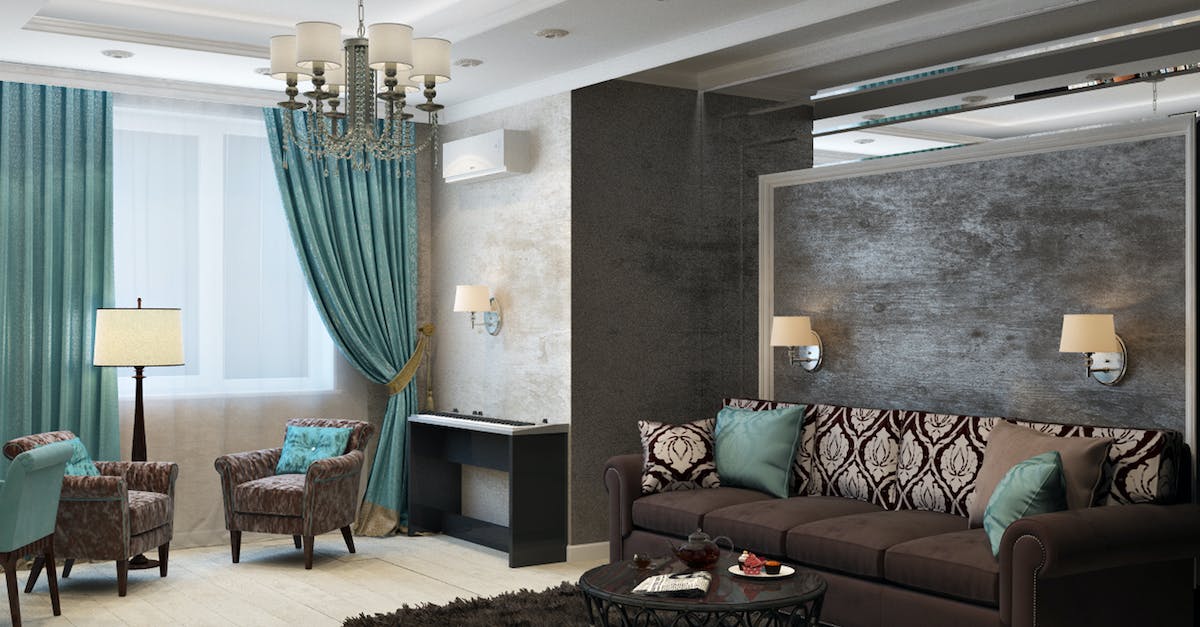
You’ve spent hours poring over paint swatches, agonized over throw pillows, and finally found the perfect rug. Your room is almost there, but something still feels…off. You look around, maybe even rearrange a few things, but that nagging feeling persists. More often than not, the culprit isn’t a lack of expensive furniture or trendy accents, but a fundamental misunderstanding of how curtains impact the entire feel and functionality of a space. In my years of styling homes, I’ve seen perfectly good rooms undermined by curtains that are too short, too narrow, or hung in a way that chops up the wall rather than enhancing it. It’s a subtle mistake, but it screams ‘amateur’ and can make even the most thoughtful decor choices fall flat.
I used to make these mistakes myself. My first apartment had curtains that barely skimmed the windowsill, hung on flimsy rods jammed right against the window frame. They blocked some light, sure, but they did nothing to add warmth, height, or design flair. It wasn’t until I started treating window treatments as an integral part of the architectural design, not just an afterthought, that I saw how truly transformative they could be. What changed everything for me was realizing that curtains aren’t just about privacy or blocking light; they are a crucial design element that dictates the perceived size of your windows, the height of your ceilings, and the overall harmony of your room. Ignore them, and your room will always feel slightly unfinished, no matter how much effort you put into the rest of the decor.
Key Takeaways
- Hang curtain rods significantly wider and higher than your window frame to create an illusion of larger windows and taller ceilings.
- Always opt for curtains that extend to the floor, or even puddle slightly, for an elegant, polished look that enhances room height.
- Choose curtain fullness that is at least 2 to 2.5 times the width of your window (or rod) for a luxurious, substantial drape.
- Invest in quality hardware and a diverse fabric selection to ensure your window treatments are both durable and visually cohesive with your room’s aesthetic.
The Fatal Flaw: Hanging Your Rods Too Narrow and Too Low
The single biggest mistake I see, time and time again, is hanging curtain rods directly above and just to the width of the window frame. It’s an understandable instinct—you want to cover the window, right? But this approach severely limits the perceived size of your window and, by extension, the entire room. When your curtains are squeezed into the exact dimensions of the window, they block a significant portion of the glass when open, making the window appear smaller and hindering natural light from pouring in. This creates a boxed-in, cramped feeling, even in a generously sized room.
In my experience, the magic happens when you extend your curtain rods well beyond the window frame. A good rule of thumb is to extend the rod at least 6-12 inches on each side of the window frame. This allows the curtains to be pushed back completely, exposing the full window and maximizing natural light. It instantly makes the window look grander and wider. For height, aim to hang the rod 4-6 inches above the window frame, or even halfway between the top of the window and the ceiling, especially if you have standard 8-foot ceilings. This simple adjustment draws the eye upward, giving the illusion of taller ceilings and a more expansive space. It’s a visual trick that professional designers swear by because it works consistently. I’ve installed rods barely an inch wider than the frame and then, a week later, reinstalled them extending a foot out on either side—the transformation in perceived light and space is always dramatic.
The Short Story: Why ‘High Waters’ Curtains Kill Your Room’s Elegance
Another common misstep, and one that immediately cheapens a room, is using curtains that are too short. I call them ‘high waters’ curtains—they hang awkwardly above the floor, sometimes by several inches, sometimes just a frustrating fraction. This breaks the vertical line of the room, making your windows and walls appear shorter than they are. It signals a lack of attention to detail and can make even expensive fabric look ill-fitting and unprofessional. Think about how a perfectly tailored pair of trousers makes you look taller and more put-together, versus a pair that’s too short and makes you look stumpy. Curtains work the same way for your room.
For a polished, sophisticated look, your curtains should always kiss the floor, at a minimum. This creates a clean, continuous line that enhances the perceived height of your room. If you want to add a touch of luxurious romance, consider letting your curtains ‘puddle’ slightly on the floor. This means allowing an extra 2-6 inches of fabric to pool gracefully, creating a soft, draped effect. This look works particularly well with heavier fabrics like velvet or linen, adding texture and a sense of opulence. The choice between kissing the floor and puddling depends on your aesthetic preference and the fabric. For high-traffic areas or a very clean, contemporary look, I often recommend just grazing the floor. For a more traditional, cozy, or grand space, puddling can be truly beautiful. The key is that the fabric should reach the floor, not hover above it.
The Thin Veneer: Skimping on Fullness Makes Curtains Look Lifeless
I once tried to save money by buying the exact width of curtains needed to cover my window, thinking ‘they’ll be closed most of the time anyway.’ Big mistake. The curtains looked stretched, flat, and utterly devoid of life. They functioned to block light, but they did nothing for the aesthetics of the room. This common error, skimping on fabric fullness, is like trying to make a bed with a sheet that barely covers the mattress. It works in a pinch, but it looks sad and neglected.
For curtains to look rich, luxurious, and properly draped, they need ample fullness. As a general rule, your curtain panels should be at least 2 to 2.5 times the total width of your window or curtain rod. So, if your rod is 100 inches wide, you’ll need curtains with a combined width of 200-250 inches. This extra fabric allows the curtains to gather beautifully, creating those soft folds and pleats that give them body and dimension, even when closed. When open, this fullness ensures a substantial stack-back, contributing to the perceived width of your window. Don’t be afraid to buy multiple panels for a single window if necessary. The visual impact of generously full curtains is well worth the investment. I personally err on the side of more fullness—it’s almost impossible to have ‘too much’ in this department.
The Hardware Hold-Up: Don’t Underestimate Rods and Rings
While the curtains themselves are paramount, the hardware you choose—and how you install it—can significantly elevate or detract from your final look. I’ve been in countless homes where beautiful fabric is hung on flimsy, undersized rods that bow in the middle, or with cheap plastic rings that snag. It’s like buying a designer dress and wearing it with threadbare sneakers. The hardware isn’t just functional; it’s a visible part of your design statement.
Invest in quality curtain rods that are sturdy enough to support the weight of your chosen fabric without sagging. The diameter of the rod should be appropriate for the width of the window—generally, wider windows look better with thicker rods. Choose finishes for your rods and finials (the decorative ends) that complement your room’s existing metals (lighting fixtures, door handles) or serve as a thoughtful accent. Don’t forget the rings or clips, which play a crucial role in how your curtains hang and glide. I always recommend using rings with clips or hooks; they make opening and closing curtains smoother and contribute to a more tailored, evenly pleated look. Generally, you’ll want a ring every 4-6 inches along the top of the curtain. This attention to detail with the hardware makes all the difference in achieving that polished, high-end feel.
Fabric Fails: Choosing the Wrong Material for Your Space and Needs
Selecting the right fabric is about more than just color and pattern; it’s about drape, light control, insulation, and how the material integrates with the overall mood of your room. I’ve seen heavy velvet curtains overpower a light and airy boho space, just as sheer linen in a bedroom fails to provide the necessary privacy or darkness. The fabric choice can truly make or break your window treatment, making it either a harmonious addition or a jarring mismatch.
Consider the function of the room first. For bedrooms, light-blocking (blackout) or room-darkening fabrics are often preferred for better sleep. For living rooms or dining areas, a medium-weight linen, cotton, or even a soft velvet can add warmth and elegance while filtering light beautifully. Sheers are perfect for adding privacy without sacrificing natural light, often layered under heavier panels. Think about the drape and texture as well. Heavier fabrics tend to have a more formal, luxurious drape, while lighter fabrics offer a casual, airy feel. Always consider the care instructions, especially for fabrics in high-humidity areas like kitchens or bathrooms. A fabric that needs professional dry cleaning might not be practical for a child’s playroom. Getting swatches and seeing how the fabric interacts with your room’s light throughout the day is a step I never skip; it helps avoid costly mistakes and ensures the fabric truly works in its intended environment.
Frequently Asked Questions
How high should curtains be hung above a window?
For an optimal look that creates the illusion of taller ceilings and larger windows, aim to hang your curtain rod 4 to 6 inches above the window frame. In rooms with very high ceilings, or if you want to maximize the dramatic effect, you can even go halfway between the top of the window and the ceiling line, as long as the curtains still reach the floor.
How wide should curtain rods extend beyond the window frame?
To ensure your curtains can be fully drawn back, allowing maximum light into the room, your curtain rod should extend at least 6 to 12 inches on each side of the window frame. This extra width means the curtain fabric clears the window glass when open, making your window appear wider and brighter.
How much fullness do curtains need to look good?
Curtains should have generous fullness to achieve a rich, luxurious look. A good guideline is to choose panels that, when combined, are 2 to 2.5 times the total width of your window or curtain rod. This allows for beautiful gathering and a substantial drape when the curtains are closed or open.
What’s the difference between ‘kissing’ the floor and ‘puddling’ with curtains?
‘Kissing’ the floor means the curtain panel just barely touches or hovers a quarter-inch above the floor, creating a clean, tailored look. ‘Puddling’ involves allowing an extra 2 to 6 inches of fabric to softly pool on the floor, offering a more opulent, romantic, or traditional aesthetic. The choice depends on your desired style and the room’s function.
Should all curtains in a home be the same style or color?
Not necessarily. While consistency can create a cohesive flow, each room has its own personality and functional needs. You can vary curtain styles, fabrics, and colors to match the specific decor and light requirements of individual rooms. However, maintaining a similar hanging height (e.g., all floor-length, all hung high) throughout visible areas of your home can contribute to an overall sense of harmony.
Conclusion: Elevate Your Home with Thoughtful Window Treatments
Curtains are far more than just functional pieces; they are foundational elements of your home’s design, capable of dramatically altering the perception of space, light, and luxury. The difference between curtains that simply exist and curtains that elevate a room lies in these seemingly small, but ultimately critical, details. From the height and width of your rod to the fullness of your fabric and the quality of your hardware, every choice contributes to the overall narrative of your space.
Instead of treating them as an afterthought, approach your window treatments with the same deliberate consideration you give to paint colors or furniture selection. By avoiding these common pitfalls and embracing a few professional techniques, you won’t just cover your windows; you’ll transform them into powerful design statements that enhance your home’s character, warmth, and style. Take a critical look at your own windows this week. Are your curtains working for your room, or secretly holding it back? A few simple adjustments could be the key to unlocking the cohesive, inviting space you’ve been striving for.