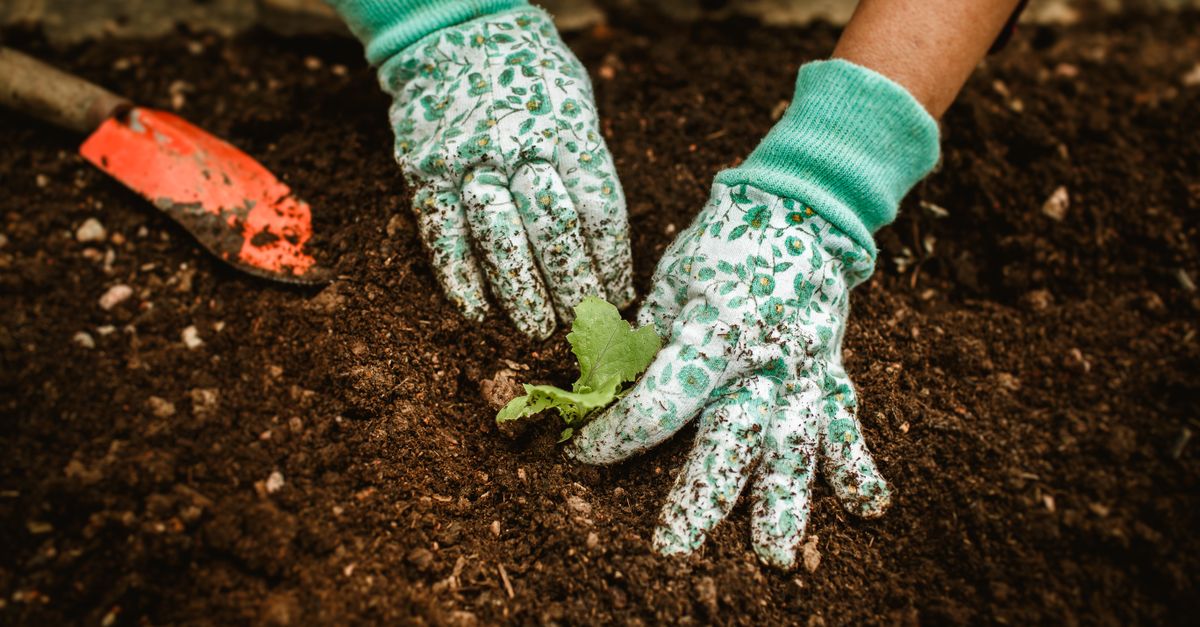
When I first started seriously gardening, I made every mistake in the book when it came to hand protection. I’d buy those flimsy, brightly colored fabric gloves from the discount bin, thinking ‘gloves are gloves.’ Within an hour, they’d be soaked, ripped, or my hands would be covered in thorns, blisters, or dirt. It was frustrating, uncomfortable, and frankly, a waste of money. I’d finish a session with aching, scratched hands, wondering why other gardeners seemed to emerge unscathed.
The truth is, most people treat gardening gloves as an afterthought, a generic accessory. But your hands are your primary tools in the garden, and neglecting them with the wrong type of protection is a surefire way to sabotage your comfort, efficiency, and even your long-term hand health. It wasn’t until I started viewing my gloves as crucial, task-specific equipment – much like a good spade or a sharp pair of pruners – that my gardening experience truly transformed. The mistake I see most often is gardeners compromising on material, fit, and specialized features, leading to constant replacements, discomfort, and ultimately, less time enjoying their green spaces.
Key Takeaways
- Generic, ill-fitting gloves offer minimal protection, leading to rips, thorns, and discomfort.
- Investing in task-specific gloves with appropriate materials is crucial for long-lasting hand health.
- Proper fit is paramount; gloves that are too loose or too tight reduce dexterity and comfort.
- Consistent cleaning and maintenance extend glove lifespan and prevent skin irritations.
The Illusion of ‘One Size Fits All’ and Why It Fails
The biggest misconception in gardening gloves is that a universal pair will serve all your needs. This simply isn’t true. I learned this the hard way during a particularly brutal rose pruning session. My general-purpose cotton gloves, which were fine for weeding, were shredded by the rose thorns, leaving my forearms a bloody mess. It was then I realized that expecting one pair of gloves to handle delicate seedling work, thorny bramble removal, and heavy digging is like expecting a single kitchen knife to perfectly slice bread, debone a chicken, and chop herbs. It’s an exercise in frustration and inefficiency.
Different gardening tasks demand different levels of protection, dexterity, and durability. For instance, when I’m planting small seedlings or doing intricate deadheading, I need thin, tactile gloves that allow me to feel the delicate stems and soil. But when I’m wrestling with overgrown blackberry bushes or clearing tough woody weeds, I need heavy-duty gauntlet gloves that protect my wrists and forearms from scrapes and punctures. Trying to use heavy leather gloves for fine work is clumsy and slow, while using thin cotton gloves for heavy work is asking for injury. The hidden cost here isn’t just wasted money on quickly ruined gloves; it’s the toll on your hands, the painful nicks and cuts that make you dread getting back into the garden. What changed everything for me was creating a small collection of task-specific gloves, much like a chef has a knife roll, ensuring I always had the right tool for the job at hand.
The Material Misstep: Choosing for the Job, Not Just the Price Tag
When I first started, I’d gravitate towards the cheapest gloves. Usually, these were thin cotton or polyester blends, sometimes with a few rubber dots for grip. They felt okay for a minute, but as soon as they encountered anything remotely challenging – a damp patch of soil, a stubborn root, or even just prolonged wear – they’d fail. The material would soak through, offering no barrier against moisture, or wear out at the fingertips in a single afternoon. This led to perpetually damp hands, which in my experience, is a fast track to blisters and general misery.
What I’ve found to work significantly better is understanding the properties of different materials and matching them to the task. For heavy-duty work like clearing brush, handling rough wood, or dealing with thorny plants, thick leather or synthetic leather gloves with reinforced palms and fingers are indispensable. They offer superior puncture resistance and durability. For weeding, planting, or general maintenance where I need dexterity, I reach for nitrile-coated or latex-coated gloves. The coating provides excellent grip, even when wet, and a decent level of water resistance, while the breathable backing keeps my hands comfortable. For tasks requiring extreme tactile feedback, like harvesting delicate herbs or tying up climbing plants, I use thin, breathable synthetic gloves that feel like a second skin. The mistake of grabbing just any material is thinking that all gloves are designed to withstand the same abuse. They’re not. A cheap pair of cotton gloves might last a single intense weeding session, while a well-chosen leather pair can last for years with proper care.
The Fit Factor: Why Loose or Tight Gloves Lead to Failure
I used to think that as long as a glove ‘fit’ my hand, it was good enough. My early gloves often had too much extra material in the fingertips or were slightly baggy around the palm. This immediately compromised my grip and dexterity. Small tasks like picking up dropped seeds or tying twine became infuriating exercises in futility. Conversely, I once tried a pair that was slightly too tight, and after about twenty minutes, my hands felt constricted and fatigued. Neither scenario fostered a pleasant gardening experience.
Proper fit is absolutely critical, and it’s a detail many gardeners overlook. Gloves that are too large will bunch, reduce your tactile sensitivity, and make it difficult to grasp tools or small plants securely. They can even create friction points that lead to blisters. Gloves that are too small will restrict circulation, cause hand fatigue, and make it feel like your hands are constantly fighting the material. The ideal gardening glove should fit snugly, like a second skin, with no excess material at the fingertips. You should be able to move your fingers freely and comfortably, and maintain a firm, confident grip on tools. My recommendation is to try on gloves in person whenever possible, or if ordering online, meticulously check the sizing charts and read reviews. What changed everything for me was realizing that a well-fitting glove enhances dexterity, reduces fatigue, and prevents injuries, making the entire gardening process more enjoyable and efficient.
Overlooking Gauntlet Length: The Unseen Vulnerability
For years, I focused solely on protecting my palms and fingers. My standard gloves, even the slightly more durable ones, typically ended at the wrist. This was fine for gentle weeding, but as soon as I tackled anything more substantial – reaching deep into rose bushes, pulling out thorny weeds, or working around rough tree bark – my wrists and forearms would inevitably bear the brunt of scratches, scrapes, and irritations. I’d come inside with angry red marks, wondering how I managed to get so bruised.
The critical oversight was neglecting gauntlet length. For any task involving thorny plants, sharp branches, or just reaching into dense foliage, short wrist-length gloves are a liability. What actually works is to invest in gloves with extended gauntlets – these are the cuffs that reach further up your forearm. For severe thorny work, such as pruning established roses or clearing brambles, I now exclusively use leather gauntlet gloves that extend almost to my elbow. This provides an invaluable layer of protection against punctures and scrapes that standard gloves simply don’t offer. For lighter tasks where some wrist protection is still beneficial, a glove with a slightly longer, snug-fitting elastic cuff can make a huge difference. This simple addition of extended protection drastically reduced my post-gardening war wounds and allowed me to approach challenging tasks with confidence, rather than apprehension.
The Neglected Art of Glove Care: Why Yours Aren’t Lasting
I’ll admit it: for a long time, my gardening gloves lived a hard, unkempt life. They’d be caked with mud, left out in the sun or rain, and tossed into a corner until the next use. Unsurprisingly, they’d become stiff, smelly, and brittle, or worse, grow mildew. This drastically shortened their lifespan, forcing me to buy new pairs far more frequently than necessary. I used to think gloves were disposable, but that’s a costly mistake.
What actually works for extending the life of your gloves and maintaining their protective qualities is consistent, appropriate care. For most fabric and synthetic gloves, a simple rinse under the tap to remove dirt, followed by air-drying away from direct sunlight, is sufficient. For leather gloves, which should never be fully submerged, I gently wipe off dirt with a damp cloth and then apply a leather conditioner periodically to keep the material supple and prevent cracking. Never machine wash or machine dry leather gloves, as this can severely damage them. Storing gloves in a cool, dry place, ideally hung up to allow air circulation, prevents mildew and odor. Treating your gloves as an investment, rather than a disposable item, will not only save you money in the long run but also ensure they’re ready and comfortable for every gardening session. A little effort in care goes a very long way in maximizing the performance and longevity of your hand protection.
Frequently Asked Questions
## What are the best all-around gardening gloves if I can only buy one pair?
If you can only choose one pair, I recommend a high-quality pair of nitrile or latex-coated gloves with a breathable fabric back. They offer good dexterity for general tasks, decent water resistance, and moderate durability for weeding and planting. However, be aware they won’t provide heavy protection against thorns or heavy digging.
## My leather gloves get stiff after drying. How can I prevent this?
Leather stiffens when it dries out. To prevent this, gently clean off dirt with a damp cloth, reshape them as much as possible, and let them air dry naturally away from direct heat or sunlight. Once mostly dry, apply a leather conditioner or a small amount of lanolin-based hand cream to keep them supple. Work the conditioner into the leather by gently flexing the gloves.
## How do I choose the right size gloves without trying them on?
Many reputable glove brands provide a sizing chart that typically involves measuring the circumference of your hand around the knuckles, excluding your thumb, and sometimes the length from the tip of your middle finger to the base of your palm. Compare your measurements to their chart. Reading customer reviews for fit advice (e.g., ‘runs small’ or ‘true to size’) can also be very helpful.
## Can I wash gardening gloves in the washing machine?
It depends on the material. Most fabric, cotton, and synthetic gloves (especially those with nitrile or latex coatings) can be machine washed on a gentle cycle with cold water, then air-dried. However, never machine wash leather gloves, as it will likely ruin them. Always check the manufacturer’s care instructions first.
## Why do my gloves still get holes in the fingertips so quickly?
If your gloves consistently get holes in the fingertips, it’s often a sign of either poor material quality, incorrect sizing (too much loose material at the fingertips wears faster), or using gloves that aren’t durable enough for the tasks you’re performing. For frequent heavy-duty work, consider gloves with reinforced fingertips or a thicker, more abrasion-resistant material like synthetic leather.
Gardening should be a joyful, therapeutic experience, not one punctuated by painful nicks, scrapes, and the constant frustration of ruined gear. By understanding the common pitfalls of generic gloves and adopting a more intentional approach to your hand protection – prioritizing material, fit, and task-specific design, along with proper care – you’ll not only save money in the long run but also ensure your hands stay comfortable and protected, ready to nurture your garden for years to come. Take a moment to assess your current collection, and consider what specific needs your garden demands. Your hands will thank you.